
A Few Facts About Salem’s General Fund
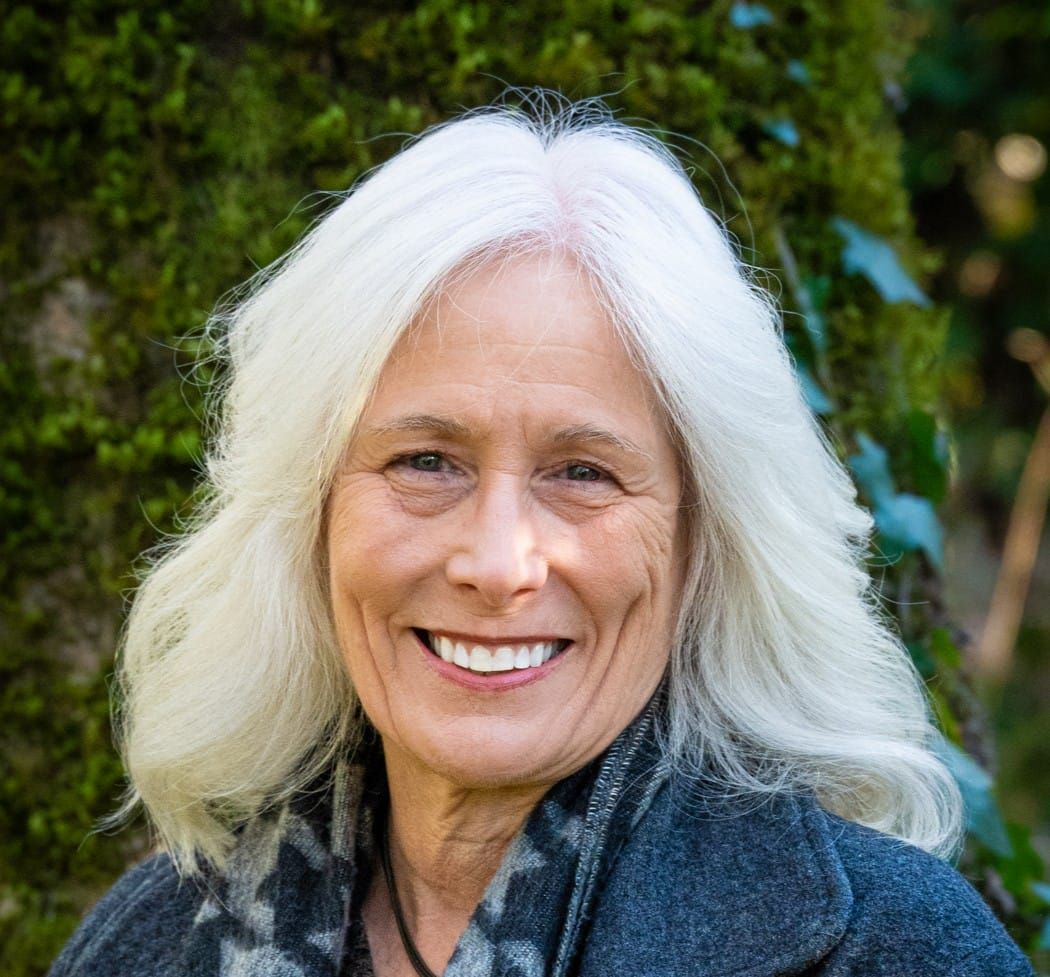
By Micki Varney, For The West Side Newspaper
Dear Neighbors,
As your Ward Eight representative on the Salem City Council, I’ll be contributing a monthly commentary to the West Side Newspaper. For my first one, I’ll focus on the General Fund (GF) segment of the City Budget and some successful pilot programs.
The budget must be understood in the context of these contemporary trends: Salem’s population is growing. The need for additional services is skyrocketing. Infrastructure isn’t keeping up with the demands, and as a result, costs to provide core services continue to outpace revenues.
On June 22, 2026 the City Council unanimously passed the Fiscal Year 2027 Budget, which went into effect on July 1. It is the culmination of a process that began with the Citizens Budget Committee in January.
The General Fund portion of the Budget is $197.7 million. It is the fund that pays our City workers — the people who get things done. Police and fire employees and public safety personnel account for 67% ($133.3 million) of the total GF expenditure.
More than half of the GF is financed by property taxes, which everyone pays in some form. City fees fund 25% of the GF, and another quarter comes from permits, franchise fees, and other sources too numerous to cite here. (The more than 20 additional funds, e.g., Airport, Utility, and Downtown Parking, warrant a separate discussion at a future time).
For decades, the City has faced a looming budget deficit as expenses continue to outpace revenues — a recurring theme in every budget discussion. For example, in 2024, the city manager’s forecast review team predicted a GF deficit of $14 million. In response, local business leaders convened a City Efficiency Committee early in 2025 to identify waste and look for ways to save money. A conclusion of the Committee: “The City of Salem is doing more with less compared to cities of similar size.” Another conclusion, regarding public safety: “Salem’s officer to citizen ratio is the lowest among its Oregon peers and trending downward.”
Voters were also asked to help address the deficit, and they did so in resounding fashion, passing the Livability Levy in May 2025 by 59%. Thank you, voters! Following the Levy’s passage, City Council set up a separate fund and an Oversight Committee to ensure that funds from the Levy would be used only for the Library, the parks, and Center 50+.
Of particular interest in the 2027 Budget is the continuation and/or expansion of three pilot programs relating to public safety and homelessness.
Safe, Clean, & Healthy. This innovative cross-collaborative initiative will be extended in the 2027 Budget by implementing a substance abuse reduction program (Prevent, Treat, Enforce). This initiative also includes two new officers dedicated to community policing in the downtown.
Homeless Services Team. The expanded seven-day coverage will be continued in 2027. It focuses on proactive policing and connecting unsheltered residents with services and shelter.
REACH. Rapid Engagement, Assessment, and Community Health is a program partnering Salem Fire with Marion County Health. REACH is an integrated response unit consisting of a paramedic, an EMT, and a County behavioral health associate. REACH has been expanded into NE Salem and is included in the 2027 Budget.
I’ve been through five budget cycles, each one different, each one taxing, each one moving us forward. This Budget makes our City stronger, with more first responders in the field and more officers on our streets. Salem is fortunate to have a dedicated staff of professionals in all departments who, in the words of the Efficiency Committee, “do more with less” under trying circumstances.